
The demand for clean and affordable energy is continuing to rise, so many homeowners and businesses are weighing the benefits of solar panels against traditional energy. One of the biggest factors in this decision is cost. Are solar panels more cost-effective, or does traditional electricity still have an advantage?
Upfront Installation Costs
Installing a solar energy system will require a significant upfront investment. This includes the cost of installing the following items:
- Solar panels.
- Inverters.
- Mounting equipment.
- Batteries (if you have opted for energy storage).
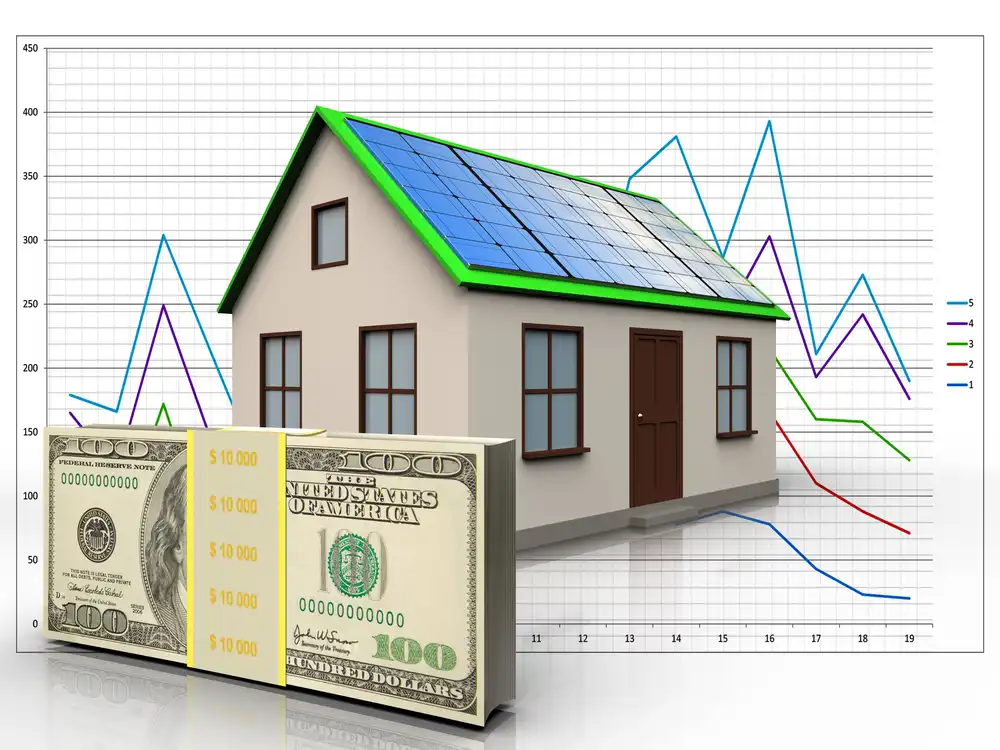
It can also include the cost of installation and labor. The installation cost of a solar system can cost an average of $10,000, but it can get as high as $50,000 before incentives. There are government rebates, tax credits, and financing options that can help you reduce these costs (which can vary from state to state).
Traditional electricity doesn’t come with any significant installation costs, which makes it more accessible in the short term. But utility companies charge connection fees, which can vary from each location and provider.
Monthly Electricity Bills
Once it has been installed, a solar system can reduce or even eliminate your monthly electric bill. In many cases, your solar panels will produce more energy than you use. So, you can receive credits through what’s referred to as “net metering.” These credits will offset any electricity you use in the future, but they most likely can’t be redeemed for cash. It’s a way to “bank” excess energy. You will produce more during the sunny months, and you can use those credits when your solar production is lower.
With traditional electricity, the cost will depend on how much energy you use and current utility rates (which have gone up by 4.5% per year for the last two decades). Inflation and changes in gas prices can also raise the cost of electricity rates. The average American household spends approximately $120 to $150 a month on electricity, which can add up to thousands of dollars over a span of several decades.
Long-Term Savings
Installing solar panels comes with a higher upfront cost, but they will often pay for themselves in 6-10 years. They also have a lifespan of 25-30 years, so you can enjoy over 15 years of free electricity (which can save you tens of thousands of dollars over the long term).
If you don’t have an alternative energy source, you will continue to be dependent on the grid. You will also be subject to increasing rates and long-term costs that will be much higher than the initial investment of a solar installation.
Maintenance and Durability
Solar panels don’t require a great deal of maintenance, and most manufacturers offer warranties of 20-25 years (which can ensure long-term reliability). Traditional electricity doesn’t require any personal maintenance, but power outages and infrastructure problems can disrupt your service. Utility costs can also increase because of aging power grids that need to be repaired.
Cost-Effectiveness and Access to Rebates
Many states offer tax credits, rebates, and grants to encourage people to adopt solar panels and make them more affordable. Traditional electricity doesn’t offer any financial incentives, because the utility rates are set by providers and government regulations.
Environmental Impact
Aside from the cost, solar power has one big advantage (which is its sustainability). If you switch to solar, you can contribute to a cleaner environment. Traditional electricity still relies on energy sources that can have a long-term effect on the environment.
Deciding Which Choice is Right for You
Deciding between solar power and traditional electricity can depend on a number of technical, financial, and personal factors that need to be taken into careful consideration. Solar energy will make the most economic sense, especially if you live in an area with high electricity rates. The combination of energy savings, tax benefits, and the increase in home value will typically give you a 10-15% annual return on your investment.
Traditional electricity will be the default choice for multi-family dwellings, historic properties with roof restrictions, and areas with low electricity costs. Renters and frequent movers can also benefit from the grid’s flexibility without any long-term commitments.
Solar power can eliminate your dependence on the grid, which works well in urban environments. But your power can go out if there’s a blackout and there are no battery backups. If you’re looking for one of the best places for installing solar power systems in Corpus Christi, be sure to reach out to Solar Power Integrator.